Half Your Sweat Is Wasted, and Your Shirt Decides Which HalfSweat only cools you when evaporating
Gear Guides

The 10K is a road race covering ten kilometers, or 6.2 miles. It sits in a particularly demanding and rewarding position in the running world, longer than the 5K and shorter than the half marathon, requiring a genuine blend of speed and endurance that neither extreme of the distance spectrum demands in equal measure. It is challenging enough to reward serious training, short enough to race frequently, and accessible enough that most runners with a solid 5K base can reach the start line of their first 10K within eight to twelve weeks of focused preparation.
Benefits: Sharpens speed, endurance, and competitive running instincts
Expected Startup Costs: $150 to $800 per year (shoes + entry fees + kit + optional gear)
A 10K is a standardized road race distance of ten kilometers. It is one of the most widely raced distances in the world alongside the 5K, half marathon, and marathon, with events held in cities and towns of every size throughout the year. The distance has deep roots in athletics, having been part of the Olympic track program for over a century, and it carries a competitive heritage that gives road racing at this distance a particular sense of tradition and legitimacy even at the recreational level.
What makes the 10K physiologically distinctive is the specific combination of demands it places on the runner. It is long enough that pure speed is insufficient and a well-developed aerobic base is required to sustain race pace without early collapse. It is short enough that the discomfort of running near lactate threshold for the majority of the race is a defining feature that must be trained for specifically rather than managed through pacing alone. A well-executed 10K at genuine effort is uncomfortable from approximately the third kilometer onward, and learning to run productively through that discomfort is one of the most valuable athletic skills the distance develops.
The 10K exists in formats that mirror the 5K in their variety. Large city road races with chip timing, age group categories, and competitive fields anchor the formal end of the spectrum. More casual community 10Ks, charity runs, and trail 10K events offer different experiences of the same distance in formats suited to different motivations and fitness levels. The distance also features in many multi-discipline events and training programs as a benchmark effort, making it one of the most broadly useful measurements of running fitness available across the sport.
For many runners the 10K becomes their favorite competitive distance over time, combining the sense of genuine achievement that comes with completing a meaningful race with a recovery time and training load that allows frequent racing and consistent improvement in ways that longer distances do not always permit. Runners who race 10Ks regularly across a season often find more opportunities to chase personal bests, respond to good form days with strong performances, and maintain competitive engagement throughout the year than those who focus exclusively on half marathon and marathon distances.
The starting point depends on where your running fitness currently sits. If you have recently completed a 5K and are running three or more times per week, you are ready to begin a 10K training plan immediately. If your running is more occasional or you are still building comfort with continuous running, spend four to six weeks consolidating your base before beginning a plan with structured speed work. Attempting interval sessions before a solid aerobic foundation exists produces fatigue without the fitness gains those sessions are designed to deliver, and the risk of early injury from high-intensity work on an underprepared body is meaningfully higher than in easy base building running.
Register for a specific 10K race eight to twelve weeks away before you begin training. The commitment of an entry confirmation transforms 10K preparation from an intention into a project with a fixed endpoint, and the motivational effect of a specific race on the calendar is as important in 10K training as in any other distance. Choose a race with a reputation for a well-measured and accurately marked course, as knowing that your finishing time represents a true ten kilometers matters particularly at a distance where personal bests are the primary performance currency.
Understand before you begin that 10K training introduces a quality of running discomfort that 5K preparation at easy effort does not fully prepare you for. Tempo runs and interval sessions at 10K pace and faster produce a specific lactate-driven burning sensation in the legs and a breathing demand that feels different from the gentler aerobic effort of easy running. This discomfort is not a sign that something is wrong. It is the training stimulus that produces the specific physiological adaptations that allow you to race the 10K faster over time, and learning to run through it productively rather than backing off is one of the central skills that 10K training develops.
If parkrun is accessible to you, use it throughout your 10K preparation as a weekly benchmark and tempo effort. Running parkrun at a genuinely hard effort on a Saturday morning, slightly faster than your goal 10K race pace, provides a useful weekly quality session embedded within a motivating social event. Tracking your parkrun times across a training block gives you a direct and regularly updated measure of your improving fitness that keeps training purposeful and the improvement visible in real time.
Gear Guides
How-To & Guides

Gear Guides

Nutrition & Fueling

Month 1: The first month establishes the training structure and introduces the specific session types that 10K preparation requires. Easy runs form the majority of weekly mileage and build the aerobic foundation that harder sessions depend on. A weekly long run extending progressively from forty to sixty minutes develops endurance beyond your current comfort zone. The first tempo sessions, where you run at a comfortably hard effort that you could sustain for approximately thirty to forty minutes, introduce the lactate threshold work that most directly governs 10K race performance.
Your body is adapting to both the increased volume and the new quality of harder effort that 10K training introduces compared to purely easy running. Fatigue in the first two to three weeks is normal and reflects genuine physiological adaptation rather than inadequate fitness. The temptation to add extra sessions or push easy runs harder than prescribed is common in motivated beginners and is worth resisting. Training adaptation happens during recovery, and undermining recovery by running too hard or too frequently in the early weeks produces fatigue without additional fitness gain.
Month 2: Interval sessions enter the training plan and the quality of your weekly training increases meaningfully. A typical interval session for 10K preparation involves six to eight repetitions of eight hundred meters to one kilometer at a pace slightly faster than your goal 10K race pace, with ninety seconds to two minutes of easy jogging between each repetition. These sessions are demanding and require genuine recovery in the days before and after, which is why the structure of a well-designed training plan alternates hard sessions with easy running rather than clustering intensity across consecutive days.
Your fitness is developing visibly in this phase. Paces that felt hard in week one are now manageable, and your sense of different effort levels is becoming more refined and reliable. Begin paying attention to your running by feel as well as by pace, developing the internal calibration that allows you to race by effort in situations where GPS pace is unreliable or when wind, hills, and race day adrenaline distort the relationship between effort and displayed pace. This feel for effort is one of the most transferable and most enduring skills that 10K training develops.
Month 3: The final phase of preparation focuses on race-specific fitness and pacing rehearsal. Longer interval sessions at goal 10K pace, mile or two-kilometer repetitions run at exactly the effort you plan to sustain on race day, develop the specific muscular and metabolic tolerance for your target pace that race performance demands. A tune-up race of 5K at genuinely hard effort in the final three to four weeks before your target 10K provides race experience, confirms your fitness level, and gives you confidence in your pacing judgment heading into the main event.
The taper for a 10K is shorter than for longer distances, typically one week of reduced volume before race day. Maintain some faster running during the taper to keep your legs feeling sharp rather than reducing volume so dramatically that you arrive at the start line feeling flat and sluggish. On race day, commit to a pacing strategy where your first two kilometers feel controlled and your effort builds progressively across the race rather than starting at full intensity and surviving the second half. A 10K run evenly or with a slight negative split almost always produces a better time than one where the first half was run too fast and the closing kilometers became a survival exercise.


Mindset & Motivation

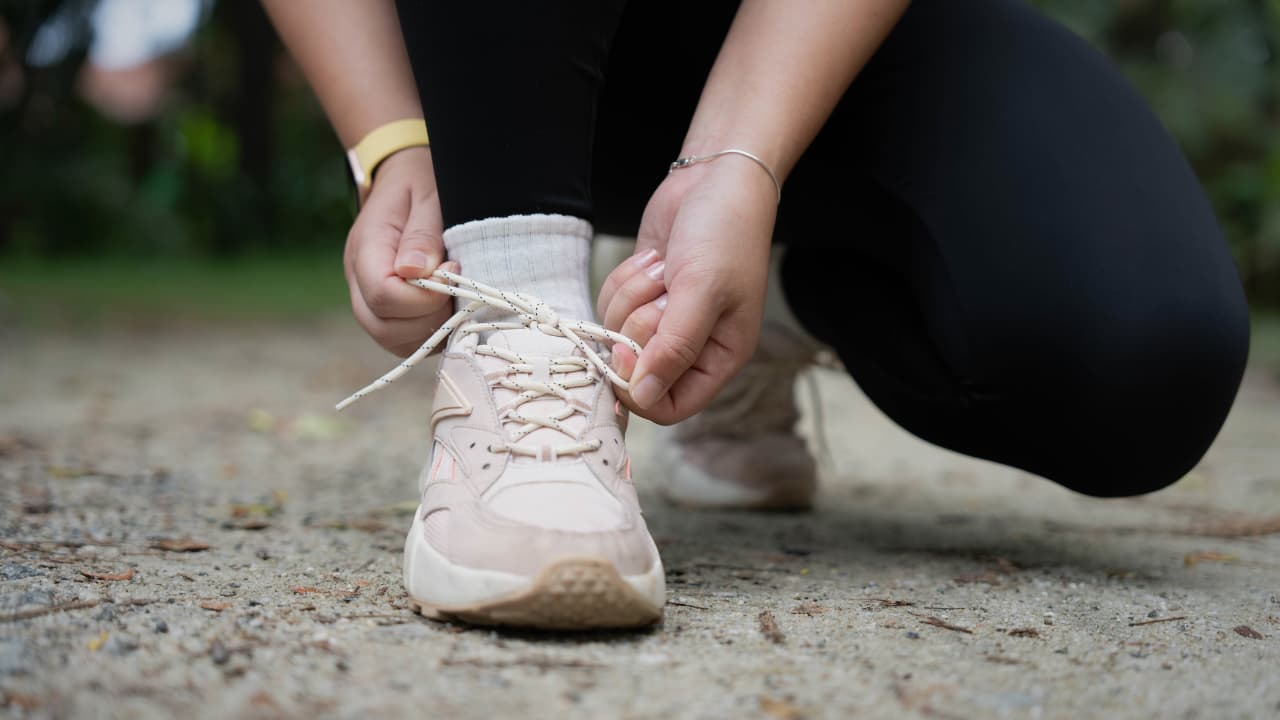
Running shoes ($110 to $200): The same principles that govern shoe selection for the 5K and road running broadly apply to 10K training and racing. A well-fitted pair of road running shoes from a specialist retailer, chosen based on your gait and the surface you train on most, is the foundational purchase. Many runners who race 10Ks regularly invest in a second pair of shoes, a lighter and more responsive racing shoe or a carbon-plated race shoe, for race day while training in a more cushioned daily trainer. This two-shoe approach is not necessary for beginners but becomes relevant as performance goals become more specific and the marginal gains of racing footwear become worth the additional cost.
Running kit ($30 to $100): Lightweight moisture-wicking shorts or tights and a technical running top are all the clothing the 10K requires. Chafing prevention through synthetic rather than cotton fabrics and anti-chafe balm applied to friction points is as relevant in the 10K as in longer distances, particularly on warmer race days when sweat accumulation over forty to sixty minutes of hard effort can produce significant skin irritation in unprepared areas. A lightweight running jacket for cold or wet race day conditions and arm warmers that can be removed and pocketed mid-race are practical additions for running in variable weather climates.
GPS running watch ($150 to $500): A GPS watch providing real-time pace per kilometer is particularly valuable in 10K training and racing. The ability to see your current pace during interval sessions allows you to hit training targets accurately and develop the pace awareness that translates directly into better race execution. During a race, real-time pace feedback is the most reliable tool for preventing the most common 10K mistake of going out too fast in the first two kilometers when adrenaline and crowd energy inflate the perceived ease of an unsustainable effort. Heart rate monitoring as a secondary metric provides useful information about training load and recovery status across a training block.
Race entry fees ($25 to $100): Local and community 10K road races are among the most affordable formal race entries in running, typically costing $25 to $60 depending on event size and included extras. Larger city 10Ks associated with running series or charity events range from $50 to $100. The low entry cost of the 10K relative to half marathon and marathon distances allows frequent racing across a season without significant financial commitment, which is one of the practical advantages of making the 10K a central part of a year-round running program.
Running socks ($10 to $25 per pair): Technical running socks in synthetic or merino wool prevent the blisters and hot spots that cotton socks produce and are a modest investment that delivers immediate comfort benefits. The difference in foot feel between a quality running sock and a generic cotton alternative becomes more apparent at the 10K distance than at the 5K, where the duration of effort is long enough for moisture accumulation and friction to produce noticeable discomfort without appropriate sock choice.
Foam roller ($25 to $60): A foam roller used regularly after hard sessions and long runs manages the quad, hamstring, calf, and IT band tightness that 10K training accumulates and reduces the soft tissue tension that contributes to overuse injuries over a training block of eight to twelve weeks. Ten minutes of rolling after interval sessions and tempo runs is a consistent habit among experienced runners that pays dividends in reduced soreness, improved recovery between sessions, and lower injury incidence across a training cycle.
How-To & Guides

10K training is structured around developing three physiological qualities in the right proportions simultaneously. Aerobic base provides the foundation of sustainable running fitness that all other qualities are built upon. Lactate threshold determines the pace you can sustain for the duration of a 10K race without accumulating fatigue that forces you to slow. VO2 max, the maximum rate at which your body can consume and utilize oxygen during exercise, sets the ceiling on your aerobic performance potential and responds to the specific stimulus of running at harder efforts of three to five minutes duration. A training plan that develops all three through a combination of easy running, tempo work, and interval sessions produces more complete 10K fitness than one that neglects any of them.
Easy running forms the majority of weekly volume in well-designed 10K training and serves multiple simultaneous purposes. It builds aerobic base, develops running economy through accumulated mileage, provides active recovery between harder sessions, and reduces injury risk by maintaining training continuity without the additional stress of high-intensity work. Most experienced coaches recommend that sixty to eighty percent of weekly running mileage in 10K preparation be done at a genuinely easy, conversational effort, with the remaining twenty to forty percent comprising structured harder work. This ratio seems conservative to many motivated runners but consistently produces better outcomes than higher proportions of intensity.
Tempo running is the most direct training tool for improving 10K performance and the session type most specifically suited to the physiological demands of the distance. A tempo run of twenty to thirty minutes at the pace you could sustain for approximately forty to sixty minutes of racing, slightly faster than your goal 10K race pace, develops the lactate threshold that governs how quickly fatigue accumulates at race intensity. Even one tempo run per week sustained across a training block of eight to twelve weeks produces measurable improvement in threshold pace that translates directly into faster 10K finishing times.
Interval training develops the VO2 max and speed endurance that allows you to run at 10K pace without it feeling like a maximum effort and to sustain that pace across all ten kilometers rather than just the first five. Shorter intervals of four hundred to eight hundred meters at a pace significantly faster than 10K race pace develop raw speed and neuromuscular efficiency. Longer intervals of one to two kilometers at 10K pace or slightly faster develop the specific metabolic tolerance for race pace that distinguishes a well-paced finishing performance from one that falls apart in the closing kilometers. Both types earn their place in a complete 10K training plan.
Progression in 10K running is clear, motivating, and sustained across years of consistent training. Personal bests improve with each training block as aerobic base matures, threshold pace rises, and race execution becomes more experienced and precise. The improvement from a first 10K finish to a trained personal best attempt is often five to ten minutes or more, and subsequent improvements of thirty seconds to two minutes per training cycle are common in runners who train specifically for the distance across multiple seasons. The 10K rewards both the patience to build a proper aerobic base and the discomfort tolerance to train and race at genuine intensity, and the runners who develop both qualities find the distance one of the most enduringly satisfying in all of road running.
The natural progression beyond the 10K leads toward the half marathon for runners drawn to longer distances and toward faster 5K and 10K times for those more motivated by speed than endurance. Many runners find the 10K a permanent home in their racing calendar, returning to it season after season as both a competitive pursuit and a fitness benchmark that connects meaningfully to their training across other distances and disciplines. The 10K is fast enough to excite, long enough to require real preparation, and rewarding enough to justify a lifetime of returning to its start line.